


Low Toxicity Mold Remediation That Protects Health
A musty closet, a ceiling stain after a leak, or symptoms that seem to improve when you leave the building can make a home feel unsafe. Low toxicity mold remediation gives property owners a way to address contamination without filling an already compromised space with harsh chemical fumes. The goal is not to mask an odor or simply spray visible mold. It is to find the moisture source, remove or clean affected materials correctly, treat remaining contamination thoughtfully, and verify the outcome.
For families, renters, buyers, and property professionals, this approach matters because mold is both a building problem and a health concern. You deserve a plan that takes both seriously.
What Low Toxicity Mold Remediation Means
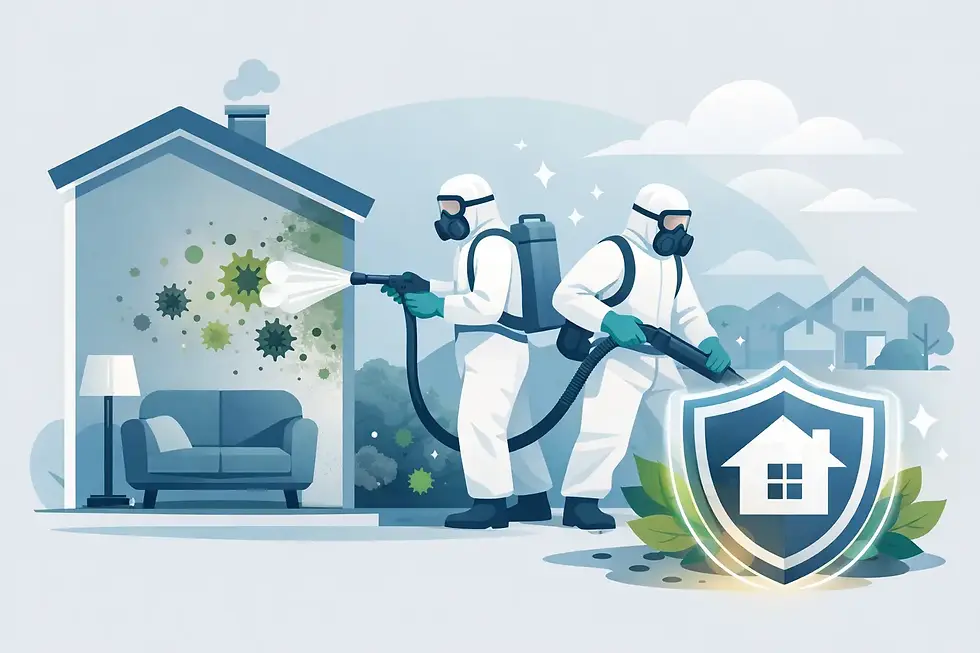
Low toxicity mold remediation is a health-centered process designed to reduce mold contamination while minimizing the use of dangerous chemicals. At Mold Neutralizers, this includes biodegradable treatment methods using naturally occurring enzymes and oxidation to penetrate porous building materials and address contamination that may not be visible on the surface.
The phrase “low toxicity” does not mean casual, weak, or incomplete. Effective remediation still requires careful containment, personal protective equipment, controlled removal of damaged materials when necessary, detailed cleaning, and moisture correction. It means the products and methods selected should support the health of occupants and workers while doing the actual work required to remediate mold.
This distinction is especially meaningful for people with respiratory concerns, chemical sensitivities, immune-related illnesses, or a history of mold exposure. It is also practical for occupied homes and businesses, where strong chemical odors, residues, and lengthy disruptions can create another problem while trying to solve the first one.
Mold Cannot Be Solved Without Solving Moisture
Mold needs moisture to grow. A low-toxicity product may help treat contamination, but no treatment can compensate for an active plumbing leak, roof intrusion, failed shower waterproofing, condensation issue, or poor drainage around the building.
That is why a credible remediation plan starts with inspection. The inspector looks beyond visible discoloration for signs of concealed water damage, elevated moisture, odors, damaged drywall, compromised flooring, and conditions that allow mold to return. In many cases, the most consequential growth is behind a wall, beneath a cabinet, inside an HVAC area, or under flooring where a homeowner cannot see it.
The right scope depends on what is found. A small, isolated issue caused by a quickly repaired leak may require limited removal and cleaning. A long-term leak affecting framing, insulation, cabinets, and adjacent rooms may require containment and more extensive demolition. Low toxicity does not mean avoiding removal when removal is necessary. It means avoiding unnecessary demolition and unnecessary chemical exposure while still protecting the building and the people in it.
A Better Process Than “Spray and Pray”
Some companies treat mold as a surface-stain problem. They fog, spray, paint over the area, or use fragrances that temporarily cover the odor. That may make a room look better, but appearance alone does not establish that moisture and contamination have been properly addressed.
A responsible process typically begins with a documented inspection and, when appropriate, independent laboratory testing. Testing can help characterize conditions and provide evidence before and after remediation, but it should be interpreted alongside the building inspection. An air sample is a snapshot, not a complete diagnosis of every hidden condition in a property. Moisture findings, visible damage, material condition, occupant concerns, and laboratory results all inform the remediation plan.
Once the scope is established, affected areas may be isolated to help prevent cross-contamination. Materials that cannot be effectively cleaned, such as wet insulation or extensively damaged drywall, may need to be removed under controlled conditions. Remaining structural materials are cleaned in detail, then treated as appropriate. A low-toxicity approach can use biodegradable enzyme and oxidation technology to reach into materials rather than relying solely on harsh chemical disinfectants.
The final stage should not be an assumption. Post-treatment inspection and clearance reporting provide an objective way to evaluate whether the remediation goals were met. Independent, health-department-accredited laboratory analysis adds a layer of accountability that is valuable for families, landlords, buyers, realtors, and commercial property decision-makers.
Why Chemical Choice Matters, but Is Not the Whole Story
Harsh chemicals can be tempting because they promise quick results. Bleach is a common example. On nonporous surfaces, it may remove visible staining, but it does not repair moisture problems or reliably resolve mold in porous materials such as drywall, wood, fabric, carpet padding, or insulation. It can also create strong fumes and may leave people with the false impression that a serious issue is finished.
Low-toxicity remediation is not about claiming that one product alone handles every mold situation. It is about selecting methods that fit the material, extent of contamination, occupancy needs, and underlying water event. Physical removal, HEPA-detail cleaning, source correction, and verification remain central to the work.
There are trade-offs. In a major contamination event, portions of a structure may still need to be opened or removed. A health-conscious method cannot save materials that have been structurally damaged or remain wet. Likewise, people with severe sensitivities may need to stay away from active work areas even when low-toxicity products are used. Proper containment and a clear communication plan remain essential.
When to Request an Inspection
Visible mold is a reason to act, but it is not the only reason. Many property owners call after discovering a persistent musty odor, repeated water stains, warped baseboards, bubbling paint, recurring condensation, or a leak that was repaired without opening the affected area. Others notice that coughing, headaches, sinus irritation, skin irritation, fatigue, or other symptoms seem more pronounced in a particular building. Symptoms can have many causes, so they should be discussed with a qualified medical professional. Still, a building with moisture concerns deserves investigation.
An inspection is also wise before purchasing a property with a known water-loss history, after a roof or plumbing leak, or when a tenant reports odors and suspected mold. For property managers and real estate professionals, early investigation can limit damage, reduce conflict, and create documentation that supports sound decisions.
Be cautious of anyone who gives a complete remediation price over the phone without understanding the affected areas. The size of the problem, type of materials involved, location of moisture, potential hidden growth, and need for containment all affect the scope. A clear plan should explain what is being addressed, why it is being addressed, and how success will be evaluated.
Questions to Ask Before Hiring a Remediation Company
The company you choose should be able to explain its process in plain language. Ask whether its inspectors are certified, whether testing is performed through an independent accredited laboratory, how it identifies and corrects the moisture source, and whether it provides post-treatment clearance documentation.
Also ask what products are used and why. “Non-toxic” is often used loosely in marketing, so request a direct explanation of the treatment approach, expected odors, ventilation needs, and precautions for children, pets, sensitive occupants, and employees. A trustworthy provider will not dismiss these questions or pressure you into a one-size-fits-all treatment.
Look for a company that recognizes the emotional strain of mold concerns without using fear to sell. Mold problems can affect health, housing stability, property value, and peace of mind. You need facts, a defensible scope of work, and a team willing to protect the occupants as carefully as the property.
If you suspect moisture or mold in your Arizona or California property, start by documenting what you see and smell, noting any past leaks, and limiting disturbance of visible growth. Then arrange a qualified inspection. Clear answers, appropriate remediation, and independent verification can help you move from uncertainty to a healthier space.


Comments