


When Mold Remediation Without Demolition Works
A mold problem can make every decision feel high stakes. You may be worried about your family’s symptoms, a tenant’s safety, a pending sale, or the cost of tearing into walls that appear perfectly fine. Mold remediation without demolition can be a responsible option in certain conditions, but only when the source, extent, and type of affected material have been properly evaluated.
The goal is never to save drywall at the expense of health. It is to remove or neutralize contamination effectively while preserving sound building materials whenever possible. That requires more than spraying a visible spot or covering an odor. It requires inspection, moisture investigation, appropriate containment, and independent testing when the situation calls for it.
What Mold Remediation Without Demolition Actually Means
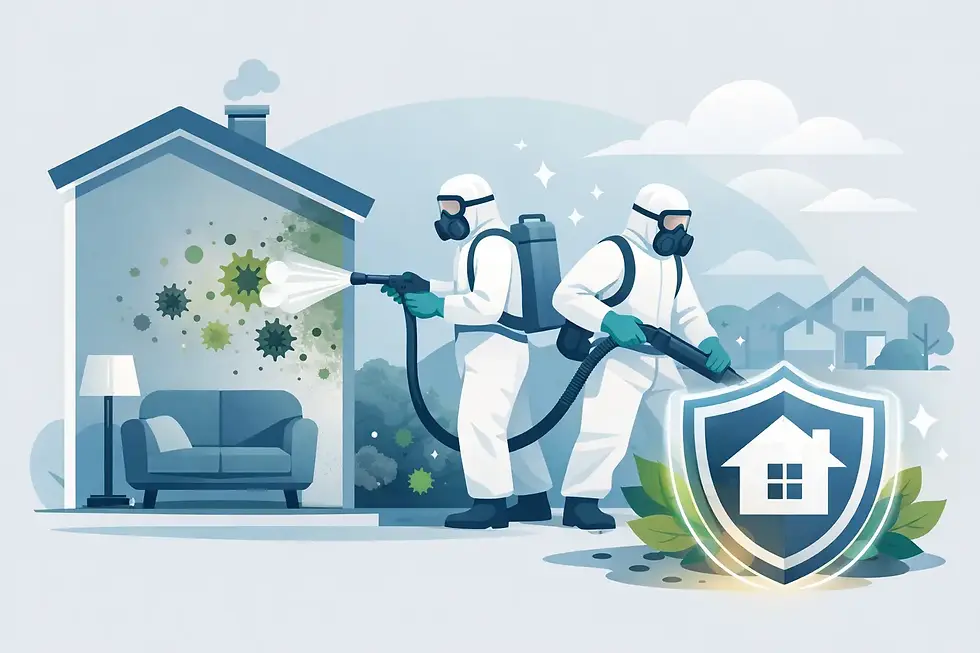
Non-demolition remediation does not mean ignoring the mold or treating only what can be seen. It means using a documented process to address contamination without automatically removing walls, ceilings, cabinetry, framing, or other finishes.
In many properties, mold contamination is found on surfaces that can be cleaned and treated without structural removal. In others, spores and microbial particles may have settled on contents, HVAC components, or hard surfaces after a leak. A careful remediation plan can use detailed cleaning, HEPA filtration, source correction, and specialized treatment to reduce contamination while keeping intact materials in place.
At Mold Neutralizers, the approach centers on low-toxicity treatment methods that use naturally occurring enzymes and oxidation rather than dangerous chemicals. The biodegradable Neutralizers treatment is designed to penetrate porous building materials, helping address contamination that may not be limited to the surface. That said, no product should be treated as a substitute for fixing a moisture problem or removing materials that are too damaged to be restored.
When Mold Remediation Without Demolition Can Work
Whether demolition is avoidable depends on the building materials, the duration of moisture exposure, the amount of contamination, and whether the material remains physically sound. A small plumbing leak discovered quickly is very different from a long-term roof leak behind a wall.
Non-demolition methods are often worth considering when the moisture source has been stopped, the affected area is limited, and materials have not become soft, swollen, crumbling, or deeply deteriorated. Hard, nonporous surfaces such as metal, glass, tile, and some plastics can frequently be cleaned effectively. Some semi-porous and porous materials may also be candidates for treatment when they are dry, stable, and accessible enough to evaluate and address.
The location of the contamination matters as well. Surface growth on a concrete wall in a garage may call for a very different plan than growth in a bathroom vanity, inside an HVAC system, or behind a child’s bedroom wall. Air movement, room use, occupants’ health concerns, and the possibility of hidden reservoirs all affect the decision.
A professional inspection helps separate what is visible from what is actually present. Certified inspectors can use moisture measurements, thermal imaging, visual evidence, odor patterns, building history, and sampling when appropriate to develop a clearer picture. Independent laboratory analysis can add valuable evidence, particularly when a property has unexplained symptoms, a dispute over condition, or a need for post-treatment documentation.
The First Step Is Stopping Moisture
Mold cannot continue growing without moisture. Before any cleaning or treatment begins, the water source must be identified and corrected. This may involve a plumbing repair, roof repair, drainage correction, HVAC condensate issue, failed shower enclosure, foundation intrusion, or humidity control problem.
This step is where many quick fixes fail. If a contractor treats mold but leaves a slow leak behind the wall, the contamination can return. If wet materials are sealed up before they are dry, the problem may become harder to detect and more expensive to resolve.
Drying should be verified rather than assumed. Materials that feel dry at the surface can retain moisture deeper inside. A qualified assessment can determine whether drying equipment, controlled ventilation, dehumidification, or selective material removal is needed before remediation proceeds.
When Demolition Is the Safer Choice
There are times when removing material is not optional. Demolition may be necessary when drywall, insulation, particleboard, carpet padding, ceiling tile, or other absorbent materials have been extensively affected. These materials can hold moisture and contamination within their structure, making complete cleaning unreliable.
Removal is also appropriate when materials are visibly deteriorated, when hidden growth cannot be accessed or treated adequately, or when a long-standing water event has compromised wall cavities or subfloors. In some cases, selective demolition is the most conservative health decision because it allows the affected area to be fully exposed, dried, cleaned, and verified.
The word “demolition” does not always mean tearing out an entire room. It can be targeted removal of a small section of drywall, a damaged vanity panel, wet insulation, or a portion of flooring around a leak. A sound remediation plan uses the least invasive method that can still produce a defensible result.
This is especially important for people with asthma, allergies, chronic respiratory conditions, or heightened sensitivity after mold exposure. While mold affects people differently, no homeowner should be dismissed when they report symptoms that improve away from the property. A medically aware remediation process takes those concerns seriously without making unsupported medical promises.
Why Testing and Clearance Matter
Visual appearance alone cannot confirm that a mold issue has been resolved. Mold can be hidden inside cavities, under flooring, within HVAC systems, or in dust that moved beyond the original water-damaged area. Likewise, a clean-looking wall may still have elevated moisture or a remaining contamination source.
Testing is not required for every small, straightforward mold event, but it can be highly useful when conditions are uncertain. Independent health-department-accredited laboratory testing can help establish a baseline, inform the scope of work, and support decisions about whether additional investigation is needed.
After remediation, a post-treatment clearance report provides another layer of confidence. Clearance is not simply a contractor saying the job is complete. It is an opportunity to verify that the work area is dry, visibly clean, and performing within the agreed remediation criteria. For buyers, sellers, landlords, property managers, and commercial stakeholders, this documentation can be especially valuable.
Questions to Ask Before Choosing a Non-Demolition Plan
Before agreeing to any mold treatment, ask what caused the moisture, how far the contamination may have traveled, and how the remediation team will protect unaffected areas. Ask whether containment and HEPA air filtration are needed, how contents and HVAC systems will be evaluated, and what evidence will confirm the work is complete.
You should also ask about the products being used. A health-conscious approach should explain whether treatment chemicals leave residues, how occupants and pets should be protected, and whether the process fits the needs of medically sensitive individuals. “No demolition” should never become a sales promise that prevents a contractor from recommending removal when the evidence supports it.
For Arizona and California properties, local conditions add another layer. Monsoon leaks, slab moisture, aging plumbing, air-conditioning condensation, wildfire-related building openings, and coastal humidity can all create different moisture patterns. The right plan follows the building and the evidence, not a one-size-fits-all script.
If you suspect mold, do not feel pressured to choose between doing nothing and gutting your property. Start with a careful inspection, correct the moisture source, and insist on a plan that protects both the people inside the building and the building itself.


Comments