


Mold Remediation for Landlords Done Right
A tenant reports a musty odor after a plumbing leak. Another sends photos of dark spotting below a window. For a landlord, the next decision matters far more than whether the stain can be cleaned quickly. Mold remediation for landlords is about protecting the people in the home, finding and correcting the moisture source, and creating a clear record that the property was restored responsibly.
Mold concerns can feel urgent because they are personal. Tenants may be worried about their children, respiratory symptoms, belongings, or whether it is safe to remain in the unit. Landlords may be balancing habitability concerns, repair costs, insurance questions, vacancy risk, and the need to preserve a valuable asset. A calm, documented response is the best way to protect everyone involved.
Start With the Water, Not the Visible Mold
Mold needs moisture to grow. That means a successful remediation job begins by identifying why building materials became damp in the first place. A visible patch on drywall may be caused by a roof leak, failed shower pan, leaking supply line, exterior drainage issue, condensation around an HVAC component, or a slow leak inside a wall.
Simply treating the surface without addressing the moisture source can lead to repeat growth. It can also create frustration for tenants who believe the issue was ignored when the odor or symptoms return weeks later.
Respond quickly to reports of leaks, staining, persistent humidity, and musty smells. Document the date of the report, the unit involved, observed conditions, repair actions, and all communication with the tenant. Prompt documentation does not replace proper remediation, but it demonstrates that the issue was taken seriously from the beginning.
Why hidden moisture changes the scope
A small, isolated area of surface growth is not the same as contamination behind cabinetry, beneath flooring, or throughout wall cavities after a significant water event. Materials such as drywall, insulation, carpet padding, and particleboard can retain moisture and support concealed growth.
That is why an experienced inspection is often more useful than a visual check alone. A qualified inspector can evaluate moisture conditions, likely leak paths, affected materials, and whether sampling is appropriate. The goal is not to create alarm. It is to define the real scope before repairs or cleaning conceal evidence.
Use Testing and Inspection to Make Defensible Decisions
Landlords do not need to guess whether a stain is minor or whether a unit is ready for occupancy. Independent inspection and laboratory testing can provide objective information when conditions are unclear, contamination may be hidden, a tenant has health concerns, or documentation will be important for property management records.
Testing should support the inspection, not substitute for it. A lab result without an understanding of the building, moisture source, and affected materials may not answer the practical question: what needs to be repaired, removed, cleaned, or treated?
A thorough assessment may include moisture measurements, a visual inspection of likely problem areas, review of the property’s water-damage history, and targeted air or surface samples when warranted. For landlords managing multiple units or properties, this evidence can help prioritize repairs and explain the remediation plan clearly to owners, tenants, insurers, and future buyers.
In Arizona and California, landlord obligations can vary by city, county, lease terms, and the specific facts of the situation. If habitability, disclosure, insurance, or tenant-relocation issues are involved, seek guidance from a qualified local attorney or property-management professional. Environmental findings and legal obligations are related, but they are not the same thing.
Mold Remediation for Landlords Requires a Written Scope
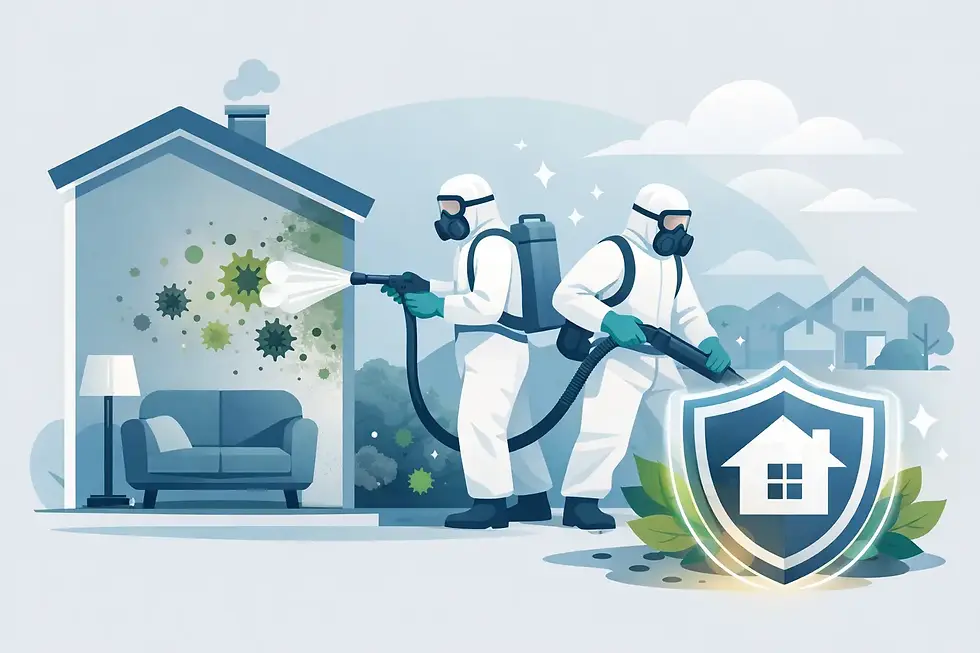
Once the cause and extent of the problem are understood, the work should follow a written remediation plan. The plan should identify the moisture correction, affected areas, materials that need removal or cleaning, containment measures, treatment methods, drying requirements, and the standard for completion.
This is especially important when contamination affects more than a small, accessible area. Demolition may be necessary when porous materials are extensively damaged, but it should be based on the condition of the material and the scope of contamination, not used automatically. Unnecessary demolition raises costs, disrupts tenants, and can expand a manageable repair into a major project. On the other hand, leaving contaminated porous material in place simply because it is inconvenient to remove can undermine the entire job.
A health-conscious approach considers both the building and the people who live in it. Mold Neutralizers uses low-toxicity treatment methods based on naturally occurring enzymes and oxidation, rather than dangerous chemical applications. When treatment is appropriate, biodegradable products can penetrate building materials to address contamination that may not be limited to the visible surface.
No treatment method should be presented as a shortcut around leak repair, proper cleaning, drying, or removal of unsalvageable materials. The right solution depends on what is wet, what is contaminated, and whether the source has been fully corrected.
Protect tenants during the work
Communication is part of remediation. Tell tenants what has been found, what work is planned, when contractors will need access, and what reasonable precautions are being taken. Avoid making medical promises or dismissing health concerns. People respond differently to environmental exposures, and tenants deserve respectful, factual communication.
Whether a tenant can remain in the unit depends on the extent and location of the work, the amount of containment required, the individual’s health considerations, and local requirements. A contained repair in an unused utility area may be far less disruptive than extensive work involving a bedroom, kitchen, HVAC system, or multiple rooms.
If relocation is needed, address it promptly and in accordance with applicable laws and lease obligations. Trying to minimize a legitimate issue to avoid inconvenience can create a larger problem for the tenant and the property owner.
Do Not Close the File Until Clearance Is Addressed
Repairs look complete when the wall is painted, new flooring is installed, and the odor is gone. But visual completion is not always environmental completion. Post-treatment verification helps determine whether the remediation work met the intended standard before the space returns to normal use.
For more substantial projects, independent post-remediation testing and a clearance report create a meaningful record. This can be particularly valuable for properties with a prior history of water damage, tenant complaints, real-estate transactions, or insurance claims. It also gives landlords a better basis for confirming that the remediated area is ready for occupancy.
Keep records together: inspection findings, lab reports, photos, invoices, leak-repair documentation, tenant notices, remediation scope, and clearance results. Good records support property maintenance over time. They can also prevent a future contractor from opening a wall and having no context for what occurred there previously.
Prevention Is a Property Management System
The most effective mold strategy is preventing chronic moisture before growth begins. That means maintaining roofs, plumbing, caulking, drainage, ventilation, HVAC condensate lines, and bathroom exhaust systems. It also means taking tenant maintenance reports seriously, even when they seem minor.
Encourage tenants to report leaks, water stains, persistent condensation, and musty odors quickly. Provide a clear reporting channel and respond with the same discipline used for other building-safety issues. In humid areas or properties with recurring plumbing concerns, periodic moisture-focused inspections may be a worthwhile investment.
A rental property does not need to be perfect to be well managed. It does need a landlord who responds when moisture enters the building, investigates beyond the surface, and verifies that the work solved the actual problem. That approach protects tenants, preserves the property, and brings clarity to a situation that too often becomes stressful because no one acted early enough.


Comments